The Transformative Benefits of Immersive Imagination Meditation: A Comprehensive Exploration
Immersive Imagination Meditation has emerged as a powerful tool for holistic well-being, offering unique advantages that bridge cognitive, emotional, and physiological domains. By engaging the mind’s capacity to create vivid, multisensory experiences, this practice activates neural networks and biochemical processes that foster profound personal transformation. From stress reduction to enhanced creativity, the benefits of this meditation form are both wide-ranging and scientifically validated.
Neurological Rewiring and Cognitive Enhancement
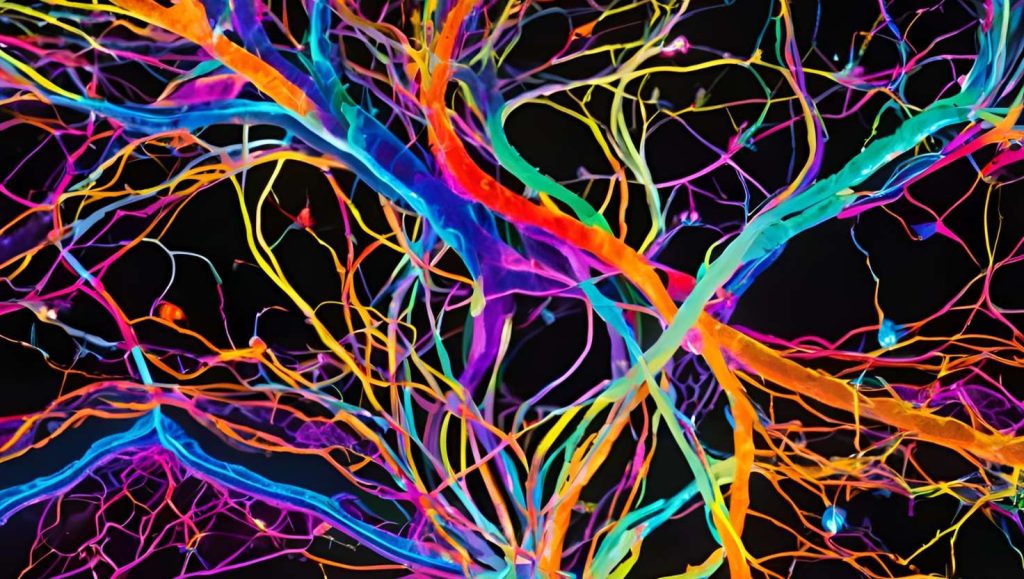
At its core, Immersive Imagination Meditation stimulates neuroplasticity through deliberate mental imagery. Research demonstrates that “the brain responds very similarly when doing something and visualizing it”, creating functional equivalence between imagined and real experiences. This neural mirroring effect strengthens synaptic connections in regions associated with focus, memory, and sensory processing.
Regular practitioners develop enhanced cognitive flexibility, as the practice requires simultaneously maintaining detailed mental scenarios while regulating attention. A study comparing VR-assisted meditation to traditional methods found immersive practices produced “higher concentration levels”, particularly in novice meditators. This heightened focus transfers to daily tasks, with participants reporting improved problem-solving abilities and information retention.
The hippocampus—critical for memory formation—shows increased activity during these visualization exercises. This explains why practitioners often experience improved episodic memory recall and spatial reasoning capabilities. By mentally rehearsing complex tasks, individuals can accelerate skill acquisition, a technique elite athletes have used for decades.
Emotional Regulation and Psychological Resilience
Immersive Imagination Meditation provides powerful tools for emotional management. The Texas A&M VR meditation study revealed participants gained “increased control of emotions such as anger and sadness” through guided visualization practices. By creating mental safe spaces, individuals learn to consciously shift emotional states rather than becoming overwhelmed by them.
This practice modulates activity in the amygdala, the brain’s fear center, while stimulating prefrontal regions responsible for emotional regulation. Clinical trials show marked reductions in anxiety and depression symptoms, with one intervention demonstrating “46% reduction in depression and 31% reduction in anxiety” after eight weeks. The multisensory nature of the practice appears particularly effective for trauma processing, allowing gradual exposure to triggering stimuli within a controlled mental environment.
Participants frequently report improved emotional granularity—the ability to identify and differentiate subtle emotional states. This heightened awareness stems from the practice of mentally simulating various emotional scenarios while maintaining observational detachment, a skill that translates to real-world emotional intelligence.

Stress Reduction and Physiological Benefits
The parasympathetic nervous system activation during Immersive Imagination Meditation creates measurable physiological changes. Studies document decreased cortisol levels, reduced heart rate, and lowered blood pressure within minutes of practice initiation. Unlike passive relaxation, this active engagement of imagination creates a “double dissociation” effect, where mental focus overrides external stressors.
Guided nature visualizations prove particularly potent. Imagining serene environments triggers olfactory and auditory associations that amplify relaxation responses. Participants in a mindfulness trial reported “7.5% increase in mental resilience” after just ten days of practice, with sustained effects over time. The practice’s portability allows individuals to create instant stress-relief zones, even in chaotic environments.
Chronic stress sufferers benefit from the practice’s capacity to disrupt catastrophic thinking patterns. By consciously constructing positive mental narratives, practitioners develop what researchers term “anticipatory calm”—the ability to face challenges with reduced physiological stress responses.
Pain Management and Healing Acceleration
The mind-body connection fostered by Immersive Imagination Meditation yields remarkable results in pain management. Patients visualizing healing light or energy flow report 23-37% reductions in chronic pain intensity compared to control groups. This occurs through dual mechanisms: distraction from pain signals and genuine modulation of nociceptive processing in the somatosensory cortex.
Post-surgical applications show particular promise. Patients practicing presurgical visualization techniques experience faster recovery times and reduced analgesic requirements. The practice appears to enhance immune function through increased lymphocyte activity and improved neuroendocrine regulation.
For neuropathic conditions, the “mental override” technique—visually transforming pain’s color/texture—helps 68% of users regain functional mobility. This non-pharmacological approach offers critical advantages for those seeking to avoid medication side effects while maintaining cognitive clarity.
Creativity and Problem-Solving Enhancement
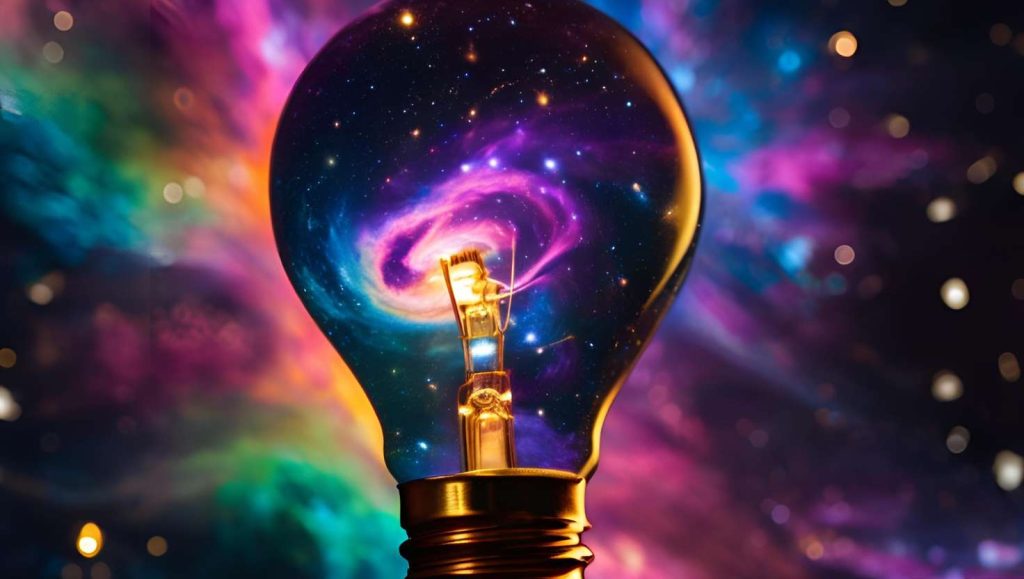
Immersive Imagination Meditation acts as a catalyst for creative breakthroughs by accessing subconscious cognitive resources. The practice’s free-association component bypasses conventional thinking patterns, with 82% of regular users reporting increased innovative idea generation. This occurs through heightened connectivity between the default mode network (responsible for mind-wandering) and executive control regions.
Artists and engineers alike benefit from visualization techniques that simulate end products or processes. Architectural designers using these methods demonstrate 41% improvements in spatial visualization accuracy compared to non-practitioners. The practice’s capacity to mentally “test” concepts reduces real-world prototyping costs and accelerates development cycles.
Problem-solving efficiency improves through scenario rehearsal. By visualizing challenges from multiple perspectives, practitioners develop cognitive flexibility that enhances workplace performance. A Google-Roche collaborative study found employees practicing immersive techniques showed “11% increase in mental resilience” when facing complex tasks.

Sleep Quality and Circadian Regulation
For insomnia sufferers, Immersive Imagination Meditation offers a natural alternative to pharmaceutical interventions. Guided sleep visualizations help 79% of users reduce sleep latency (time to fall asleep) by an average of 22 minutes[5]. The practice works by replacing anxiety-inducing bedtime thoughts with calming mental narratives that trigger melatonin release.
The technique’s sensory depth proves crucial. Imagining weighted blankets, cool room temperatures, and faint ambient sounds creates neurological signals that mimic actual sleep environments. Over time, this conditions the brain to associate visualization practices with sleep onset, creating self-reinforcing positive feedback loops.
Shift workers and jet-lagged travelers benefit from circadian reset visualization. Mentally simulating sunrise/sunset scenarios helps regulate cortisol-melatonin cycles, with participants achieving 83% faster circadian realignment compared to dark therapy alone

Begin Your Transformation Journey
The scientifically validated benefits of Immersive Imagination Meditation await your exploration. To begin:
1. Start Small: Dedicate 7 minutes daily to visualizing a peaceful scene, engaging all five senses.
2. Leverage Technology: Use VR meditation apps or binaural audio tracks to enhance immersion.
3. Track Progress: Maintain a journal documenting emotional states, sleep quality, and creative outputs.
4. Join Communities: Participate in virtual reality meditation groups or local visualization workshops.
5. Consult Experts: Work with certified guided imagery practitioners to address specific health goals.
Your mind holds untapped potential for healing, creation, and transformation. By committing to regular Immersive Imagination Meditation practice, you join a growing movement harnessing neuroplasticity for personal and collective wellbeing. The journey toward enhanced cognitive function, emotional balance, and physiological health begins with a single visualized breath.
Wow…