

Is There a Specific Technique to Follow During Immersive Imagination Meditation?
Immersive Imagination Meditation is a versatile practice that allows you to engage your senses and imagination to create vivid mental landscapes. While there is no single “correct” way to practice, certain techniques can help you maximize its benefits and deepen your experience. This guide outlines specific methods and steps you can follow to ensure a successful meditation session.
Preparing for Your Meditation
Before diving into the practice, it’s essential to set up an environment conducive to relaxation and focus.
Step 1: Find a Quiet Space
Choose a location free from distractions. Turn off your phone, dim the lights, and ensure you won’t be interrupted. This creates an atmosphere where your mind can fully engage with the meditation process.
Step 2: Get Comfortable
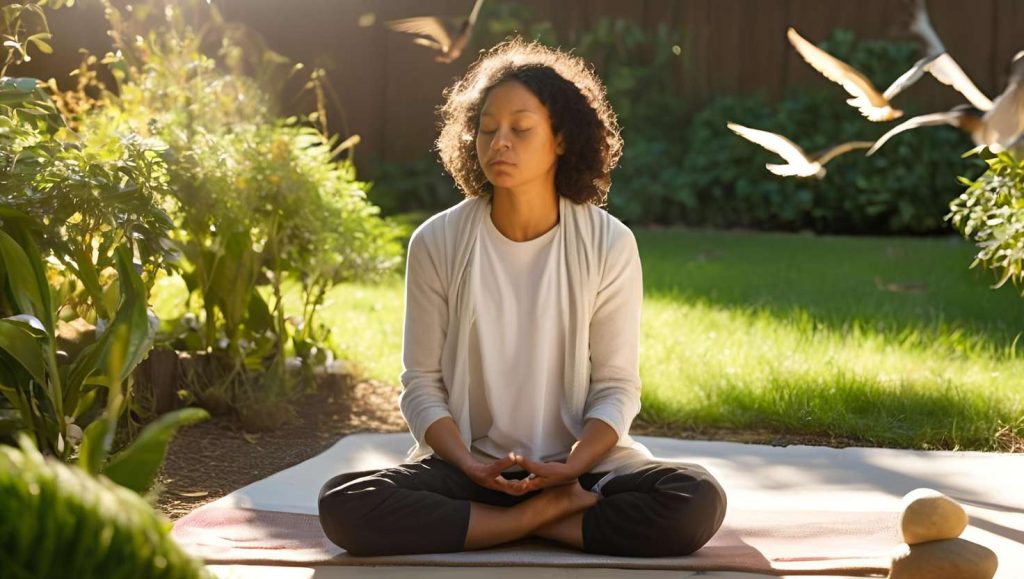
Sit or lie down in a position that feels relaxed but alert. You can use a cushion, chair, or even lie on the floor. Comfort is key to maintaining focus throughout the session.
Step 3: Focus on Your Breathing
Begin with slow, deep breaths to calm your nervous system. Breathing deeply helps lower stress levels and prepares your mind for visualization. Try inhaling deeply for 4 seconds, holding for 4 seconds, exhaling for 4 seconds, and pausing for another 4 seconds before repeating.
Core Technique: Creating Your Visualization
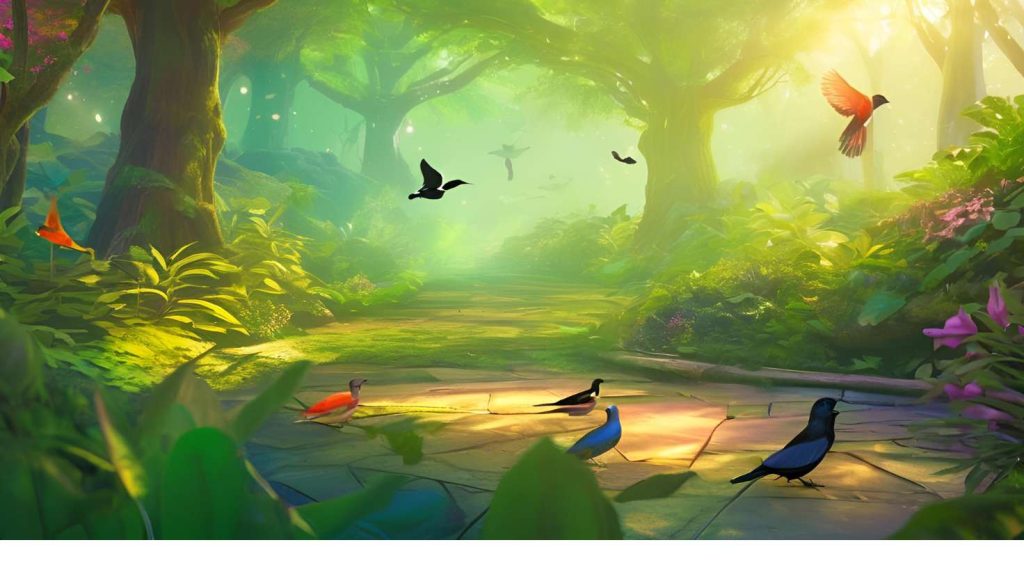
The heart of Immersive Imagination Meditation lies in creating detailed mental imagery that engages all your senses. Here’s how to build your visualization step by step:
Step 1: Choose Your Mental Image
Decide on a scene or scenario that aligns with your goals. For relaxation, you might imagine a peaceful beach or forest. For goal manifestation, visualize yourself achieving success in a specific situation.
Step 2: Engage All Five Senses
To make your visualization immersive, incorporate sensory details:
– Sight: Picture the colors, shapes, and textures of your chosen scene (e.g., turquoise waves or green forest leaves).
– Sound: Imagine auditory elements like crashing waves or birdsong.
– Touch: Feel sensations such as warm sand or cool breezes on your skin.
– Smell: Include scents like salty ocean air or fresh pine trees.
– Taste: Visualize flavors associated with the scene, such as the tang of citrus fruits or the sweetness of chocolate.
Step 3: Stay Present in Your Visualization
Allow yourself to fully immerse in the mental image without judgment. If your mind wanders, gently bring it back to the visualization by adding more sensory details.

Techniques to Enhance Your Practice
If you’re looking for ways to deepen your meditation experience, consider incorporating these advanced techniques:
Guided Imagery Meditation
Follow along with audio guides or scripts that lead you through specific visualizations. Guided sessions can help beginners stay focused and provide structure for more complex scenarios.
Color Breathing
Visualize breathing in calming colors (e.g., blue for relaxation) and breathing out darker shades representing stress or negativity. This technique enhances emotional regulation while deepening immersion.
Affirmation Visualization
Combine affirmations with imagery by silently repeating phrases like “I am calm” while visualizing the words materializing before you and fading away. This engages both verbal and visual processing for greater focus.
Inner Light Visualization
Imagine a radiant light within your body spreading warmth and positivity throughout you. This technique is particularly effective for cultivating self-compassion and releasing negative emotions.
Chakra Visualization
Focus on energy centers (chakras) within your body by visualizing colors associated with each chakra while breathing deeply. This practice promotes balance and vitality.
Overcoming Common Challenges
Meditation often comes with challenges like mental chatter or difficulty maintaining focus. Here’s how to address them effectively:
Managing Distractions
If your mind wanders during meditation, acknowledge the thought without judgment and return to your visualization. Adding sensory details can help anchor your attention back to the practice.
Enhancing Vividness
If your imagery feels vague or incomplete, try using external cues like nature sounds or essential oils that match your scene (e.g., ocean waves for a beach visualization). These cues strengthen sensory engagement and improve immersion.

Start Practicing Today
Immersive Imagination Meditation offers endless possibilities for relaxation, creativity, and personal growth. Here’s how you can start today:
1. Dedicate Time: Set aside just 10 minutes daily for practice in a quiet space.
2. Use Guides: Download apps or scripts that provide step-by-step instructions for guided imagery meditation.
3. Experiment: Try different techniques like color breathing or affirmation visualization until you find what resonates most with you.
4. Track Progress: Keep a journal documenting how each session impacts your mood, focus, and overall well-being.
Your imagination is one of the most powerful tools at your disposal—use it to transform stress into calmness, goals into achievements, and creativity into reality. Begin today and unlock the transformative potential of Immersive Imagination Meditation!