Harnessing the power
Of Your Mind for Deep Relaxation and Transformation
Immersive imagination
Harnessing the Power of Your Mind for Deep Relaxation and Transformation
Immersive Imagination Meditation is a powerful practice that combines elements of visualization and guided imagery to create a deeply engaging meditative experience. By harnessing the full potential of your imagination and engaging all your senses, this form of meditation allows you to create vivid mental landscapes that can transform your mind, body, and emotional state. Whether you’re seeking stress relief, improved sleep, enhanced creativity, or support for achieving your goals, this immersive approach to meditation offers a versatile and accessible pathway to profound wellbeing.
Understanding Immersive Imagination Meditation
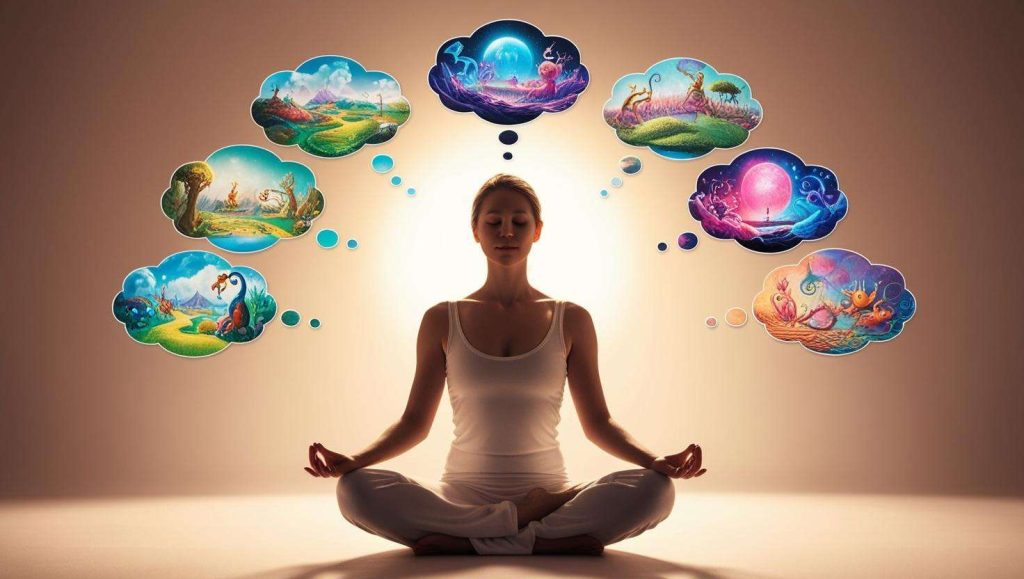
Immersive Imagination Meditation is a mind-body technique that leverages the power of imagination to create transformative meditative experiences. At its core, it involves directing your thoughts toward specific places or scenarios and creating detailed mental images to calm your nervous system and engage your subconscious mind.
This approach shares similarities with visualization meditation, which “is a type of meditation where you create a mental image or scenario in your mind in order to take you out of your busy day to day and bring you to a place of inner peace”. The key distinction of Immersive Imagination Meditation is its emphasis on complete sensory immersion. Rather than focusing primarily on visual aspects, you’re encouraged to engage all senses to create a multidimensional experience.
When practicing Immersive Imagination Meditation, you enter a state of deep relaxation and focus, using your imagination to transport yourself to places that evoke positive emotions and sensations. You might visualize yourself on a peaceful beach, in a serene forest, or achieving a significant goal. The practice works best when “you incorporate as many sensory details as possible: what you see, hear, feel, smell, and taste. So you’re not just thinking it—you’re living it”.
By immersing yourself in detailed mental imagery, you “activate your subconscious mind and send a clear message to the universe about what you want to attract into your lives”. This creates a powerful connection between your conscious intentions and your deeper mind, facilitating transformation on multiple levels.
Unlike passive daydreaming, which happens spontaneously and often without direction, Immersive Imagination Meditation involves consciously choosing what to visualize and actively engaging with the imagined scenario using all your senses. This intentionality is what makes it a potent tool for personal growth and wellbeing.
The Science Behind Immersive Imagination Meditation
The effectiveness of Immersive Imagination Meditation is supported by scientific research on how visualization affects our brains and bodies. “Recent research has shown that visualization meditation can have a profound impact on our brains and body. When we visualize, the same neural pathways are activated as if we were actually experiencing the event in real life”. This neurological response explains why vivid mental imagery can create real physiological changes.
When you engage in detailed visualization, your brain activates many of the same neural pathways that would be activated during actual experiences. This neural activation “strengthens the connections between brain cells and enhances our neural networks, leading to improved focus, creativity, and cognitive function”. The more regularly you practice Immersive Imagination Meditation, the stronger these neural connections become.
Research suggests that “the brain responds very similarly when doing something and visualizing it”. This mind-body connection is particularly powerful when the visualization engages multiple sensory systems, creating a more convincing experience for your brain. Athletes have long used visualization techniques to improve performance, and similar principles apply in meditation practice.
The practice also affects your autonomic nervous system, particularly the sympathetic nervous system responsible for stress responses. By visualizing calming scenarios in detail, you trigger your parasympathetic nervous system (the “rest and digest” response), reducing stress hormones like cortisol and adrenaline while increasing relaxation-promoting neurotransmitters.
Studies have shown that “visualization meditation can positively affect our physical well-being. When we visualize ourselves in a state of health and vitality, our body responds by releasing hormones and neurotransmitters that promote healing and well-being”. This mind-body connection creates a powerful feedback loop that can enhance overall health and wellness.
Benefits of Immersive Imagination Meditation
Immersive Imagination Meditation offers a wide range of benefits for mental, emotional, and physical wellbeing. Understanding these benefits can motivate you to incorporate this practice into your daily routine.
1. Stress Reduction and Relaxation
One of the primary benefits is the ability to “calm down your nervous system and declutter the mind, reducing stress and promoting feelings of contentment”. By immersing yourself in peaceful scenarios, you activate your body’s relaxation response, lowering stress hormones and creating a sense of calm. The vivid sensory experience helps draw your attention away from stressors and into a controlled mental environment that promotes tranquility.
2. Enhanced Creativity and Problem-Solving
The practice can unleash creative potential by accessing deeper levels of your subconscious mind. As one practitioner noted, vivid images that arise during meditation can be “the source of abundant creativity”. By regularly engaging in Immersive Imagination Meditation, you strengthen your creative faculties and develop innovative solutions to challenges. The relaxed state achieved during meditation allows for new connections and insights to emerge.
3. Goal Achievement and Performance Enhancement
Immersive Imagination Meditation can be a powerful tool for manifesting goals. “You can visualize yourself achieving a goal, like nailing a presentation at work or crossing the finish line of a marathon”. This visualization process helps program your subconscious mind for success and builds confidence in your abilities. By repeatedly imagining successful outcomes in detail, you create neural pathways that support those outcomes in reality.
4. Pain Management and Healing
Research suggests that this form of meditation can be effective for managing pain. Guided imagery (a related practice) can help with “stress and pain”. By directing your attention away from pain and toward pleasant sensations, you can reduce pain perception and promote healing. The visualization of healing energy or transformation of painful sensations can create real physiological changes in your experience of discomfort.Immersive Imagination Meditation can be a powerful tool for manifesting goals. “You can visualize yourself achieving a goal, like nailing a presentation at work or crossing the finish line of a marathon”. This visualization process helps program your subconscious mind for success and builds confidence in your abilities. By repeatedly imagining successful outcomes in detail, you create neural pathways that support those outcomes in reality.
5. Improved Sleep Quality
The practice can be particularly effective for addressing sleep issues. “Sleep Meditation Using Guided Imagery” helps “unwind at bedtime, let go of tension, and ease the transition into sleep”. By creating peaceful mental landscapes before bed, you signal to your body that it’s safe to relax and drift into sleep, potentially reducing insomnia and improving sleep quality.
6. Emotional Regulation
Immersive Imagination Meditation helps process and regulate emotions. Related practices help “release anger, feel more connected, grow compassion for yourself and others”. By visualizing calming scenes or positive emotional states, you can shift your emotional experience in beneficial ways. The practice creates a safe space to explore and transform difficult emotions.
7. Mind-Body Connection
The practice strengthens the connection between mind and body, allowing mental processes to positively influence physical health. “Guided imagery is a mind-body technique, which means it alters your physical condition through the power of your mind”. This enhanced mind-body connection can support overall health and wellbeing in numerous ways, from immune function to energy levels.

How Immersive Imagination Meditation Works
Understanding the mechanics behind Immersive Imagination Meditation can help you maximize its benefits and deepen your practice.
1. The Power of Sensory Engagement
The core principle of this meditation style is engaging all your senses to create a comprehensive mental experience. “Guided imagery works by directing your thoughts toward a special place and creating images in your mind to calm your sympathetic nervous system. You want to use your senses in creating the imagery as much as possible. These senses include sight, sound, smell, taste, and any other sensations”.
This multi-sensory approach is what makes the practice so powerful. When you engage multiple senses in your visualization, different parts of your brain activate simultaneously, creating a more convincing and immersive experience. For example, when imagining a beach, see the turquoise water, hear the rhythmic waves, feel the warm sand between your toes, smell the salty air, and taste the slight saltiness on your lips. Each sensory detail adds another layer of immersion.
2. Creating a Controlled Mental Environment
Immersive Imagination Meditation allows you to create a controlled mental environment that serves as a respite from stress and anxiety. “The goal is to solidly visualize a place that ‘removes’ you from your current stressful circumstance and places you in a controlled situation that calms you”.
This mental displacement allows you to temporarily step away from stressors and create a safe space where your nervous system can reset. By deliberately choosing positive, calming scenarios, you give your mind and body a break from stress responses and activate relaxation mechanisms instead.
3. Accessing the Subconscious Mind
This meditation style serves as a gateway to the subconscious mind, where much of our automatic processing occurs. Visualization meditation helps us “tap into the depth of our subconscious mind and bring about profound transformations in our lives”.
By bypassing the analytical, critical conscious mind through deep relaxation and imagination, you can access and influence subconscious patterns and beliefs. This is particularly valuable for changing habits, addressing limiting beliefs, and setting new patterns that support your goals.
4. Aligning Thoughts, Emotions, and Intentions
Another important mechanism of Immersive Imagination Meditation is the alignment of thoughts, emotions, and intentions. “This process helps us to align our thoughts and emotions with our intentions, making it more likely for us to manifest them in reality”.
When you vividly imagine achieving a goal while feeling the positive emotions associated with that achievement, you create a powerful alignment that can influence your behaviors and perceptions in daily life. This emotional engagement is a key component of effective visualization.
Getting Started with Immersive Imagination Meditation
To begin practicing Immersive Imagination Meditation, you’ll need to create the right conditions and learn the basic techniques. Here’s a step-by-step guide to help you get started on this transformative journey.
1. Creating the Ideal Environment
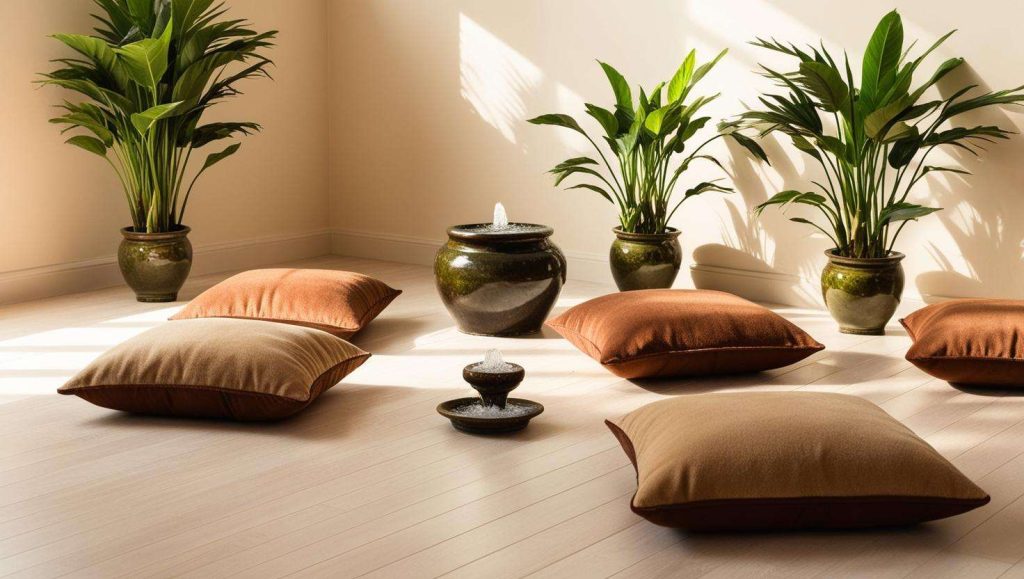
Before you begin, set up a space conducive to deep meditation. Find a quiet location where you won’t be disturbed, and make yourself comfortable. You might sit on a cushion, lie down, or find another position that allows you to relax while staying alert. Dim the lights if possible, and consider using gentle background sounds like nature recordings if they help you relax.
2. Preparation Steps
Start with a few minutes of mindful breathing to center yourself and transition from everyday activities to meditation. Close your eyes and take several deep, slow breaths, feeling your body relax with each exhale. Pay attention to any areas of tension and consciously release them.
3. Basic Technique for Beginners
For your first Immersive Imagination Meditation session, choose a simple, pleasant scene that you can easily visualize. “Some common places that people imagine include a quiet beach or a shady forest spot. You can also imagine yourself participating in a calming activity that you enjoy”.
Once you’ve chosen your scene, follow these steps:
1. Begin building the visual elements of your scene in detail. If you’re imagining a beach, see the color of the water, the texture of the sand, the sky above, and any other visual elements.
2. Add sounds to your scene. Hear the waves lapping against the shore, seagulls calling overhead, or the rustle of palm leaves in the breeze.
3. Incorporate tactile sensations. Feel the warmth of the sun on your skin, the soft sand between your toes, or the gentle breeze caressing your face.
4. Include smells and tastes. Smell the salt in the air, the sunscreen on your skin, or tropical flowers nearby. Perhaps taste a hint of salt on your lips or a cool drink you’re enjoying.
5. Notice the emotions and sensations in your body as you immerse yourself in this scene. Allow yourself to feel peaceful, happy, or whatever positive emotions arise naturally.
6. If your mind wanders, gently bring it back to your visualization, adding more sensory details to deepen the experience.
Start with just 5-10 minutes of practice and gradually extend the time as you become more comfortable with the technique. Remember that “Guided imagery can be done alone, with a group, or under the guidance of a practitioner. If you’re new to this practice, it’s recommended that you follow a guide in the form of a practitioner or a script”.
Advanced Techniques for Immersive Imagination Meditation
Once you’ve mastered the basics of Immersive Imagination Meditation, you can explore more advanced techniques to deepen your practice and enhance its benefits.
1. Creating Your Personal Sanctuary
Develop a detailed mental sanctuary that you return to regularly during your meditation practice. This consistent use of the same imagined space allows you to add layers of detail over time, making the experience increasingly immersive. Your sanctuary might be a garden, a mountain retreat, or any place that resonates with you. With repeated visits, this space will become a powerful trigger for your relaxation response.
2. Progressive Scenarios and Journeys
Rather than remaining in a static scene, create progressive journeys within your meditation. For example, you might start at the entrance of a forest, then walk deeper into it, discovering new elements along the way. This narrative approach engages your mind more fully and can lead to unexpected insights and experiences.
3. Symbolic Visualization
Incorporate meaningful symbols into your visualization practice. If you’re working on healing, you might visualize light of a specific color flowing through your body. For courage, you might imagine yourself donning armor or transforming into an animal that represents strength to you. Visualization meditation can help us “align our thoughts and emotions with our intentions, making it more likely for us to manifest them in reality”.
4. Meeting Guides or Wisdom Figures
In more advanced practice, you might visualize meeting with guides, teachers, or wisdom figures who can offer insights and guidance. These figures may represent aspects of your own higher wisdom or subconscious knowledge. Engage in dialogues with these figures, asking questions and receiving answers that might surprise you with their depth and relevance.
5. Body Scanning with Imagination
Combine body scanning with imagination by visualizing healing energy moving through different parts of your body. As you direct your attention to each area, imagine it filled with light, warmth, or another healing quality. This technique is particularly helpful for addressing physical tension or pain.
Common Challenges and How to Overcome Them
Even experienced practitioners encounter challenges with Immersive Imagination Meditation. Understanding these common obstacles and knowing how to address them can help you maintain a consistent and rewarding practice.
1. Common Challenges and How to Overcome Them
Some people struggle to create clear mental images. If this is the case for you, remember that visualization doesn’t necessarily mean seeing photographic-quality images in your mind. It can involve a more abstract sense of a scene or simply knowing what would be there. Focus on the sensory elements you connect with most easily—perhaps sounds or feelings—and let the visual aspects develop gradually.
2. Racing Thoughts and Distractions
It’s normal for the mind to wander during meditation. When you notice this happening, acknowledge the thought without judgment and gently return to your visualization. Adding more sensory details to your imagined scene can help anchor your attention. Vivid images sometimes arise spontaneously during meditation, and these can be treated as “the by-product of the deepening process of your mind settling down during meditation”.
3. Emotional Responses
Sometimes, visualization practices bring up unexpected emotions. If you find yourself experiencing strong emotions during meditation, approach them with curiosity rather than resistance. These emotional responses often represent opportunities for healing and release. If the emotions feel overwhelming, you can always open your eyes, take a few deep breaths, and return to the practice when you feel ready.
4. Consistency and Motivation
Maintaining a regular practice can be challenging. Set realistic goals for your meditation practice, perhaps starting with just five minutes daily. Consider joining a meditation group or using an app that tracks your progress to help with accountability. Remember that even short, regular sessions are more beneficial than occasional long ones.
Embracing the Journey of Immersive Imagination Meditation
Immersive Imagination Meditation offers a rich and versatile approach to meditation that engages your full sensory imagination to create profound experiences of relaxation, healing, and transformation. By creating vivid mental scenarios that incorporate sight, sound, touch, smell, and taste, you can access deeper states of consciousness and trigger real physiological responses that benefit your mind and body.
Throughout this guide, we’ve explored the foundations of this practice, its scientific underpinnings, the numerous benefits it offers, and techniques ranging from basic to advanced. We’ve also addressed common challenges and how to apply Immersive Imagination Meditation to specific goals like stress reduction, pain management, creativity enhancement, and performance improvement.
The beauty of this practice lies in its accessibility and adaptability. Whether you’re new to meditation or an experienced practitioner, this approach offers endless possibilities for exploration and growth. The only limits are those of your imagination, which itself will expand and develop through regular practice.
Remember that meditation is not about perfection but process. Each session is unique, and even challenging meditations contribute to your overall growth. Be patient with yourself as you develop this skill, approaching your practice with curiosity and compassion.